

Exploring diverse cultural perspectives on gambling in today's world
The Historical Roots of Gambling
Gambling has a rich tapestry woven into the fabric of human civilization, tracing back to ancient cultures. The earliest evidence can be found in archaeological sites like ancient China, where rudimentary games of chance were played using tiles. Similarly, the Greeks and Romans embraced gambling, integrating it into their social customs and rituals. These historical underpinnings highlight how deeply ingrained gambling is in human behavior, serving as a reflection of cultural values and social norms. By utilizing advanced strategies, players can enhance their experiences, similar to the way one might explore fair go pokies for exciting gameplay.
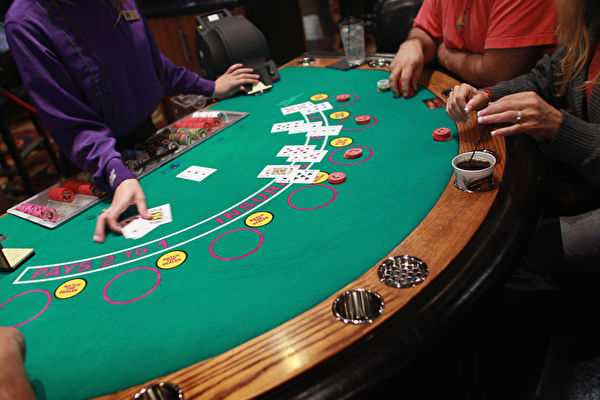
Throughout history, gambling has not only been a pastime but also a method for generating revenue for governments and communities. In places like ancient Rome, gambling was often linked to political events, with citizens betting on gladiatorial games and chariot races. This intertwining of gambling with political life underscores its role in fostering community engagement and social interaction, which remains relevant today. As societies evolved, so did the perception and regulation of gambling, leading to its various forms seen across cultures.
Understanding the historical context of gambling sheds light on its current status worldwide. In some cultures, it is viewed with skepticism or is outright banned, while others celebrate it as a form of entertainment. This dichotomy illustrates how historical experiences shape present-day attitudes toward gambling, providing a lens through which we can explore its multifaceted nature in diverse societies.
Cultural Attitudes Toward Gambling
Cultural attitudes toward gambling vary significantly across different regions, influenced by religious beliefs, social structures, and economic factors. In many Western cultures, gambling is often seen as a form of leisure and entertainment. Casinos and sports betting are widely accepted, and many people enjoy participating in these activities. This acceptance is often supported by robust regulatory frameworks that promote responsible gambling and protect consumers.
In contrast, some Eastern cultures, particularly those influenced by Confucian values, view gambling as morally questionable. In countries like China, where gambling can be associated with a loss of face and societal disapproval, underground gambling operations often flourish despite strict regulations. This cultural conflict highlights the ongoing struggle between traditional values and the modernizing influence of global gambling markets. As globalization advances, many societies are reevaluating their stances on gambling, leading to an evolving cultural landscape.
These varying attitudes are not merely anecdotal; they significantly impact gambling participation rates and the types of gambling preferred in different cultures. For instance, in places where gambling is embraced, there is often a thriving industry of casinos, sports betting, and online gambling platforms. Conversely, in cultures where gambling is stigmatized, individuals may resort to clandestine betting activities, showcasing the complex relationship between culture and gambling behavior.
The Psychological Impact of Gambling
The psychological effects of gambling can be profound and varied, influencing individuals and communities differently across cultures. In societies where gambling is popular, it can lead to an enhanced sense of community and shared experience. Celebrations around major sporting events often include friendly wagers among friends and family, fostering social bonds and camaraderie. This positive aspect highlights gambling as a means of bringing people together, enhancing relationships through shared excitement.
Conversely, in cultures where gambling is stigmatized, the psychological consequences can be detrimental. Individuals may experience shame or guilt associated with gambling, which can lead to issues like addiction and isolation. The stigma around gambling can prevent those struggling with these issues from seeking help, perpetuating a cycle of despair. This highlights the importance of understanding the cultural context when addressing gambling-related mental health issues, as interventions need to be sensitive to these social dynamics.
Additionally, the prevalence of online gambling has introduced new psychological dimensions to the gambling experience. The anonymity provided by digital platforms can lead to increased gambling frequency and intensity, regardless of cultural attitudes. As online gambling continues to rise, the psychological ramifications for individuals and communities warrant careful consideration, demonstrating the need for comprehensive education and support systems that respect cultural differences.
Legal Frameworks Around Gambling
The legal landscape surrounding gambling is as diverse as the cultures that engage in it. In many Western countries, gambling is highly regulated, with laws designed to protect consumers and ensure fairness in gaming. For example, in the United States, each state has the authority to regulate gambling, leading to a patchwork of laws that vary widely. This regulatory diversity allows for innovation in the gambling industry, as states compete to attract tourism and generate tax revenue.
Conversely, in some regions, especially in parts of Asia, gambling is strictly prohibited or heavily limited. Countries like Singapore have implemented tightly controlled environments for gambling, allowing only specific venues, like casinos, to operate legally. This controlled approach often aims to mitigate social issues associated with gambling, such as addiction and crime. The balancing act between permitting gambling and protecting citizens highlights the complexities of crafting legal frameworks that respect cultural values while recognizing economic potential.
The intersection of culture and law is further complicated by the rise of online gambling, which often transcends national borders. Jurisdictions grapple with the challenge of regulating online gambling sites that may not operate within their legal frameworks. As a result, international cooperation and dialogue are increasingly essential in addressing issues like responsible gambling, consumer protection, and tax implications in a globalized gambling market.

Fair Go Casino and Cultural Perspectives on Gambling
Fair Go Casino offers a unique perspective on gambling by catering to a diverse audience with varied cultural attitudes. By providing a platform that respects and acknowledges these differences, Fair Go Casino creates an inclusive environment for players worldwide. The focus on user-friendly experiences and a variety of games ensures that both casual players and seasoned gamblers can find something that resonates with their cultural preferences.
The casino features a range of games rooted in popular cultural themes, which can appeal to different audiences. For instance, the inclusion of Australian-themed games caters specifically to the local audience while also attracting international players interested in exploring local culture. This cultural sensitivity in game design allows Fair Go Casino to bridge the gap between various cultural perspectives on gambling, making it a unique player-centric platform.
Moreover, Fair Go Casino prioritizes responsible gaming, ensuring that players are aware of the potential risks associated with gambling. By promoting education on responsible gaming and providing support resources, the casino acknowledges the diverse backgrounds of its players and their respective cultural attitudes toward gambling. This commitment to responsible gaming enhances the gaming experience, fostering a safe and enjoyable environment for all participants.