

The Allure of Slot Machines
Slot machines have captivated players for decades, drawing them in with vibrant graphics and engaging sound effects. The appeal lies not only in the visual stimulation but also in the thrill of potential winnings. The randomness of each spin creates a sense of suspense, making players feel as though they are on the brink of a big win. For those seeking new experiences, new betting sites australia offer innovative features that enhance the gaming experience. This uncertainty fosters a powerful emotional connection, often described as an ‘anticipation effect’, which can keep players engaged for extended periods. The experience of waiting for the reels to stop can create a unique emotional high, akin to the excitement of opening a gift.
Furthermore, the design of slot machines is meticulously crafted to enhance player enjoyment. The bright colors and enticing animations create a festive atmosphere that encourages longer play sessions. Casinos understand that the environment heavily influences behavior, so they prioritize creating spaces that feel welcoming and exciting. This atmosphere, combined with the chance of winning large jackpots, forms a compelling reason for individuals to try their luck at slot machines. For many, the experience transcends mere gambling; it becomes a form of entertainment that offers an escape from daily life.
Addiction to these machines can stem from the intermittent rewards they offer. Unlike other forms of gambling, where players might face more predictable outcomes, slot machines provide sporadic wins that can be more psychologically enticing. This ‘gambling schedule’ taps into the brain’s reward systems, reinforcing the behavior of playing even when losses accumulate. As players chase the next big win, they often overlook the risks associated with their gambling habits. The unpredictability of the payouts leads to a cycle of hope and disappointment, keeping players tethered to the machine in the hopes of a future reward.
The Psychology of Risk and Reward
The relationship between risk and reward is central to understanding why players are drawn to slot machines. For many, the thrill of risking a small amount of money for the chance to win a substantial payout is irresistible. This phenomenon can be explained by the concept of ‘loss aversion’, where the fear of losing money motivates players to continue playing in hopes of recouping their losses. Each spin on the machine can evoke a rush of adrenaline, further fueling the desire to play. This emotional rush can create a sense of euphoria that becomes addictive over time.
Moreover, the emotional highs and lows associated with slot play can create a rollercoaster effect. Players feel a surge of excitement when they win, which quickly dissipates when losses are incurred. This emotional volatility can lead to compulsive gambling behavior, as players become eager to chase the thrill of the next win, often disregarding the financial consequences. The cycle becomes self-perpetuating, as the emotional investment in the game deepens. Players might find themselves caught in a loop of chasing losses, leading to increased bets to recover prior losses, despite the growing financial burden.

Another aspect of the psychology of slot machine players lies in their understanding of probabilities. Many players may underestimate the odds of winning, attributing their lack of success to bad luck rather than unfavorable odds. This misunderstanding can lead to a phenomenon commonly referred to as the ‘gambler’s fallacy’, where players believe that past outcomes will influence future results. Such cognitive biases keep players engaged, even in the face of repeated losses. They may convince themselves that a win is ‘due’, further entrenching them in their gambling behavior and delaying the realization of their actual odds.
The Role of Social Influence
Social dynamics significantly impact the behavior of slot machine players. Many individuals enjoy the communal aspect of gambling, often gathering around machines or sharing stories of wins and losses with fellow players. This social reinforcement encourages more play, as individuals feel a sense of belonging and shared experience. Casinos capitalize on this by designing open spaces that allow for social interaction, creating an inviting environment where players can feel connected. The shared excitement of a nearby win can amplify the thrill of playing, creating a contagious atmosphere of anticipation.
Moreover, the presence of others can create a competitive atmosphere that encourages risk-taking. Players may feel pressured to keep playing or increase their bets to match the engagements of those around them, even if their instincts suggest otherwise. This phenomenon is often exacerbated by live tournaments or promotional events held by casinos, where players vie for prizes and recognition, further intensifying the competitive spirit. The desire to not be left out of the excitement can drive players to make irrational decisions in their gambling choices.
The influence of social media and technology has also transformed how people perceive and engage with slot machines. Online platforms allow players to share experiences, tips, and their winnings in real-time. This visibility can create a sense of FOMO, or fear of missing out, leading individuals to participate more frequently in hopes of recreating successful outcomes depicted online. As a result, the social aspect of gambling becomes tightly intertwined with the psychological motivations behind slot machine play. Players often showcase their wins, creating an aspirational culture that can lure others into trying their luck.
The Impact of Design and Marketing
Slot machines are designed not just to entertain but to optimize profits for casinos. This is achieved through strategic placement and marketing techniques. The layout in gambling establishments is carefully crafted to encourage foot traffic around slot machines, drawing players in when they are most susceptible to temptation. The use of bright lighting and enticing sounds serves to capture attention and create an immersive experience that keeps players engaged. The overall sensory experience is designed to stimulate excitement and prolong play, making it difficult for players to walk away.
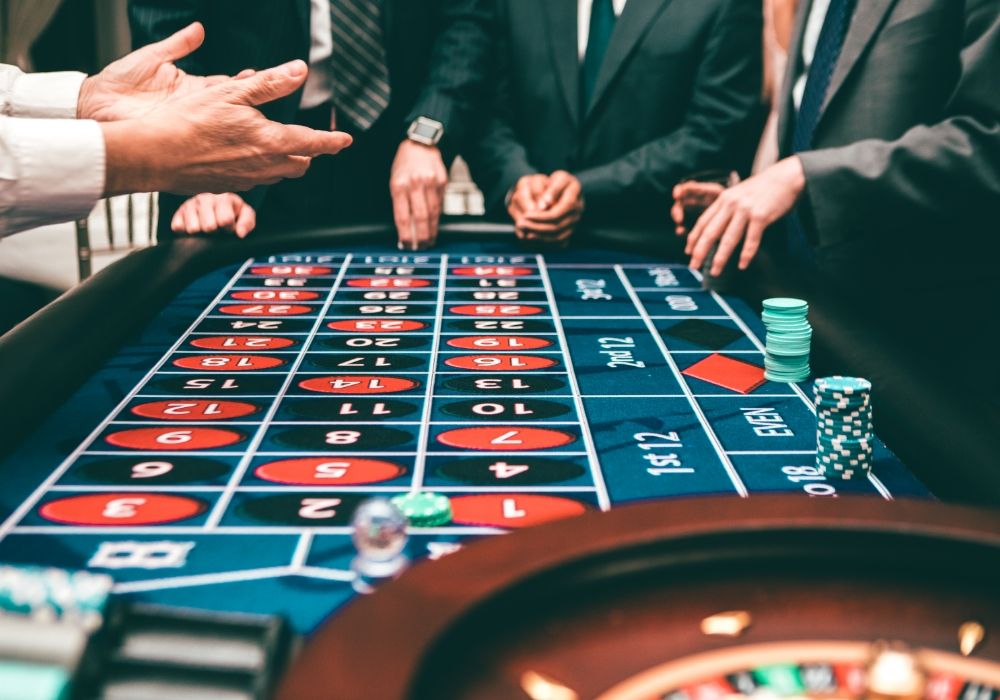
Innovative features, such as progressive jackpots and themed slots, cater to various player preferences, enhancing the allure of these machines. Themes related to popular culture, such as movies or music, create an emotional connection that resonates with players, further driving their interest. Marketing campaigns that highlight big wins and testimonials from satisfied players also serve to amplify this connection, effectively encouraging new players to try their luck. This targeted marketing strategy leverages player psychology to create a sense of urgency and excitement around the machines.
Furthermore, the introduction of loyalty programs and promotional offers incentivizes continued play. By providing players with rewards, casinos cultivate a sense of commitment, ensuring that players return more frequently. This design not only maximizes revenue for casinos but also reinforces the psychological bond players develop with slot machines, making them more likely to overlook the risks associated with their gambling habits. The gamification of rewards creates an ongoing cycle of engagement, where players feel valued and recognized for their loyalty, further deepening their connection to the machines.
Understanding Player Behavior and Responsible Gaming
Understanding the psychology behind slot machine players is essential for promoting responsible gaming practices. With the potential for addiction ingrained in the psychology of play, both players and casinos must recognize the importance of setting limits. Casinos are increasingly implementing measures to encourage responsible gambling, such as providing resources, setting time limits, and promoting self-exclusion programs. This commitment not only protects players but also enhances the reputation of gaming establishments. By prioritizing player welfare, casinos can foster a sustainable gambling environment that benefits everyone.
Furthermore, player education plays a vital role in fostering healthy gambling habits. By offering tools and information on the risks associated with gambling, casinos can empower players to make informed decisions. Initiatives that focus on awareness can help mitigate the negative impacts of gambling addiction, enabling individuals to understand their behavior and motivations more effectively. Education around the odds and the nature of gambling can demystify the experience, helping players to approach it more rationally.
Ultimately, the balance between entertainment and responsibility is crucial. By embracing a holistic understanding of player psychology, both players and the gaming industry can work towards creating a safer and more enjoyable environment. This collaboration not only benefits individuals but also enhances the overall perception of slot machines as a form of entertainment, rather than a source of potential harm. The goal is to ensure that the thrill of playing remains a fun activity, while minimizing the risks associated with excessive gambling.